Second European Circus History Conference, Copenhagen, 15 – 17 April 2027
Advance Notice & Call for Papers
ABOUT THE CONFERENCE
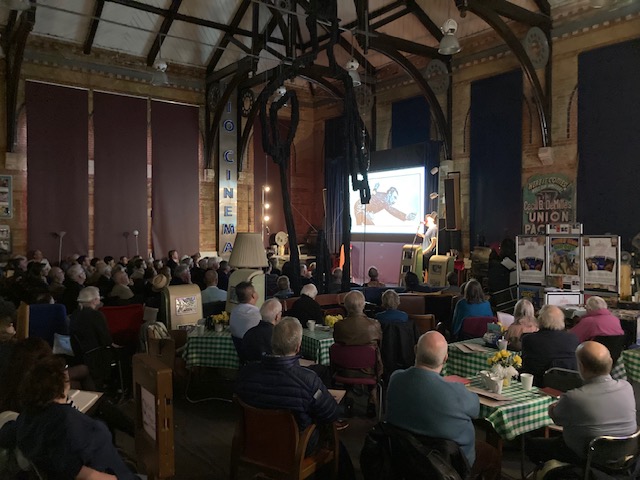
The second European Circus History Conference will take place in Denmark at the Copenhagen Circus Museum from Thursday 15th to Saturday 17th April 2027, coinciding with World Circus Day. The Conference follows the success of the 1st European Circus History Conference in London in 2025.
The conference opens on Thursday with a guided tour of significant circus-related locations in Copenhagen. This will include an opportunity to visit the world-famous Tivoli Gardens, followed by a social evening.
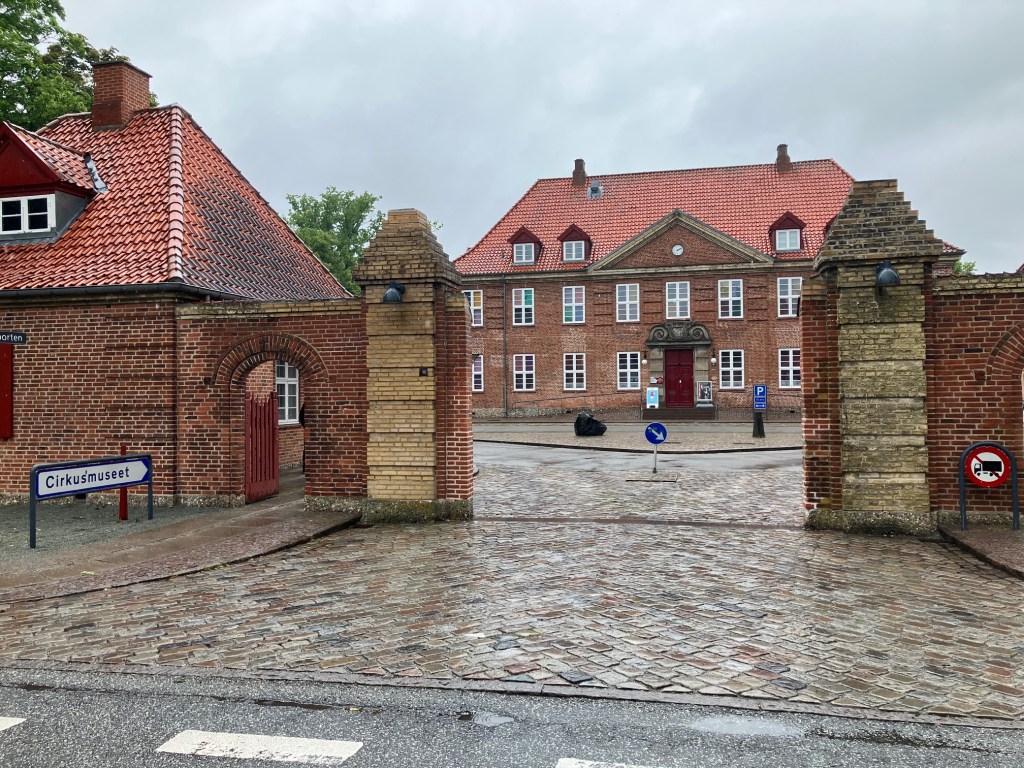
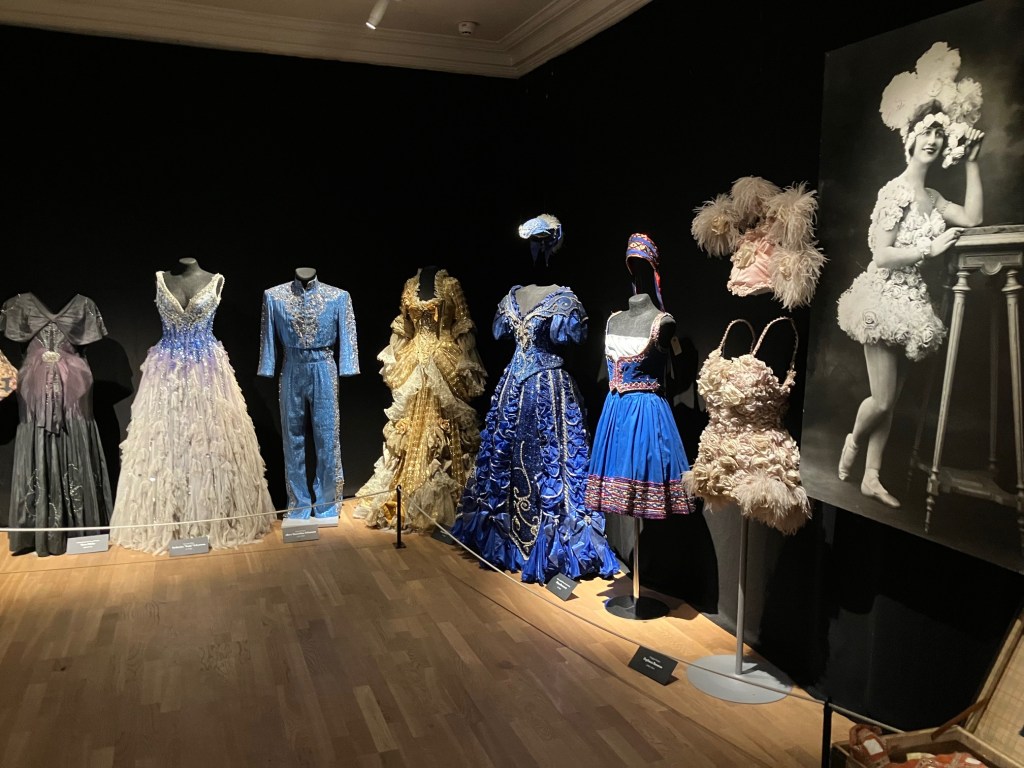
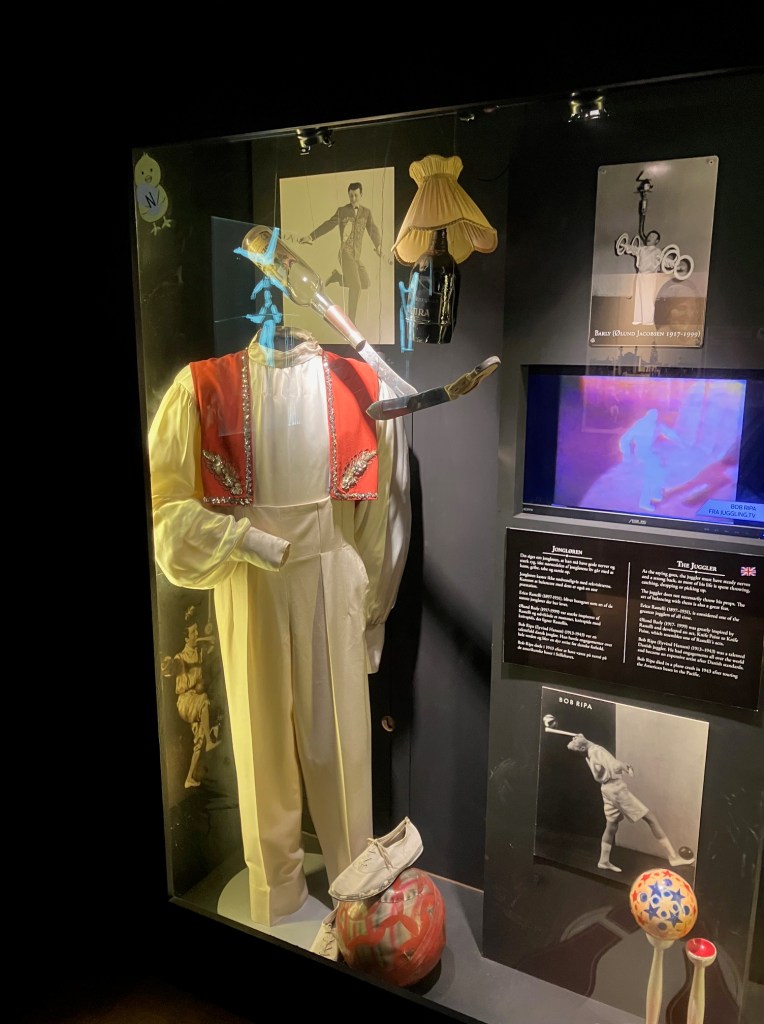
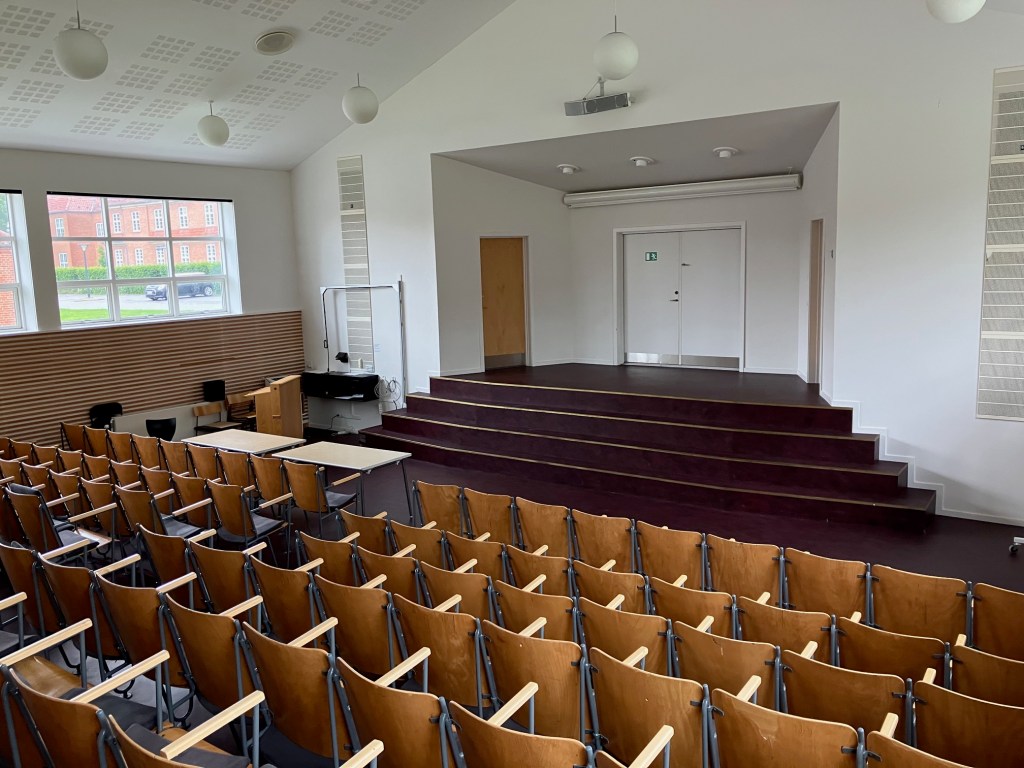
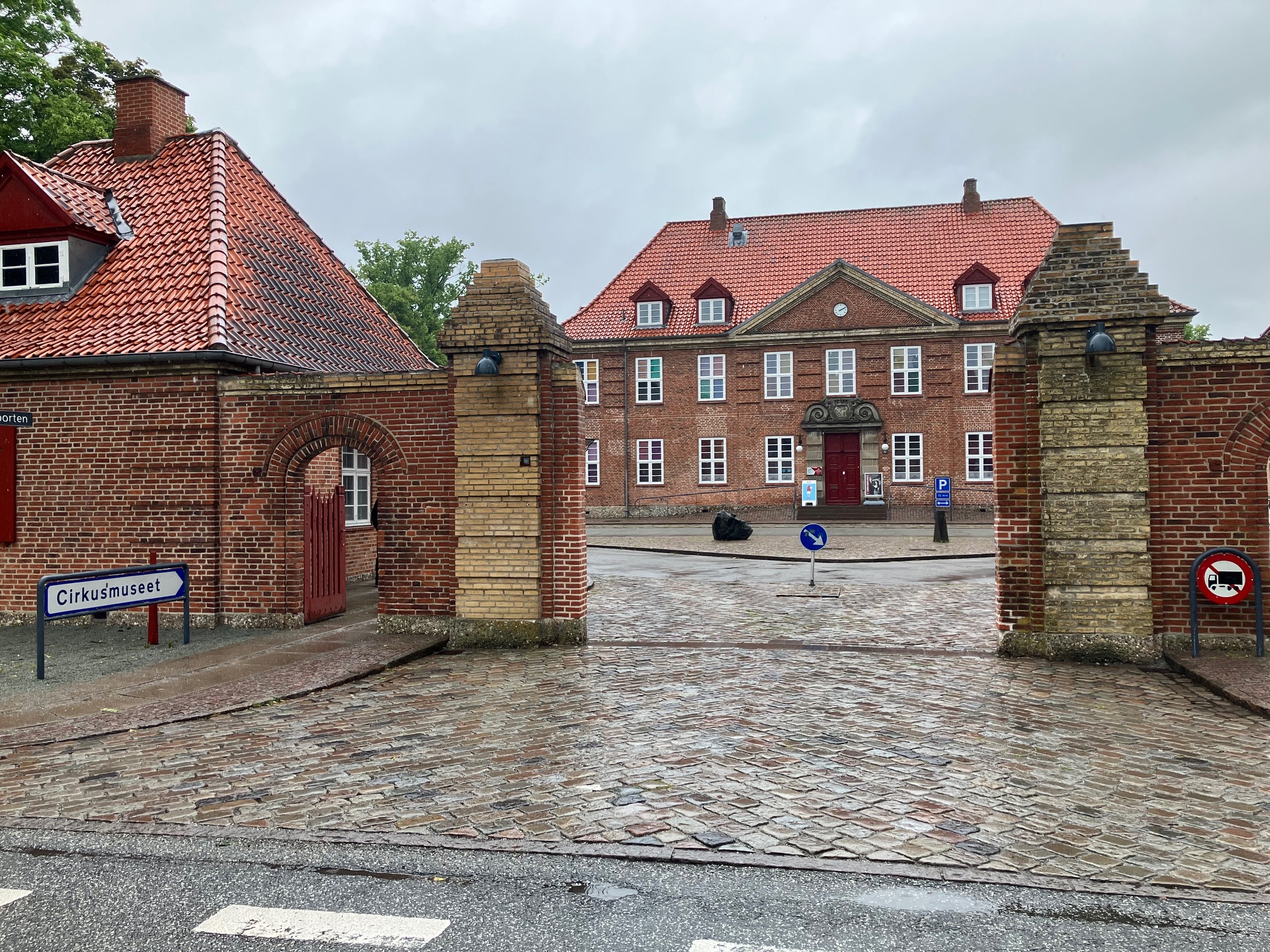
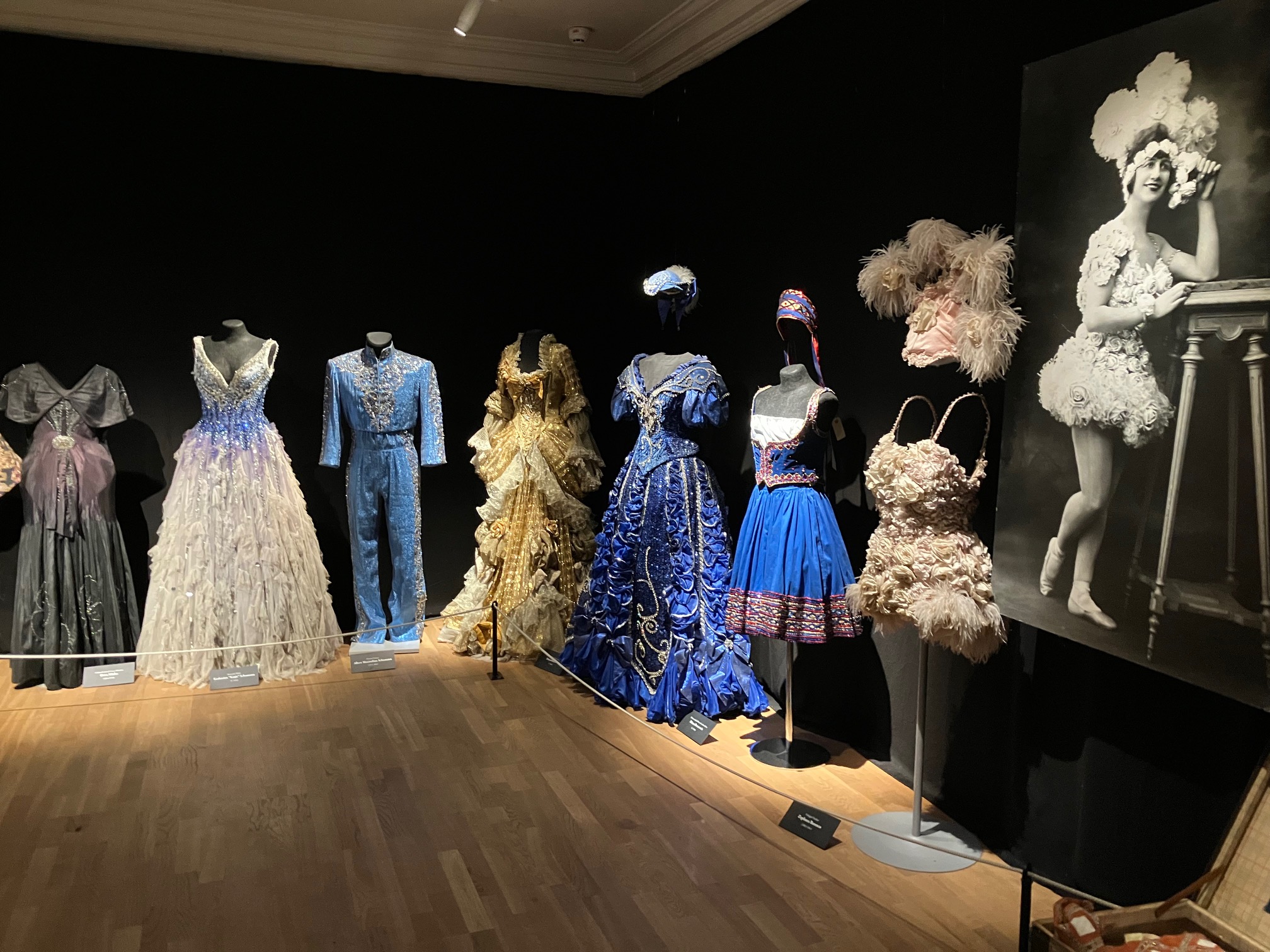
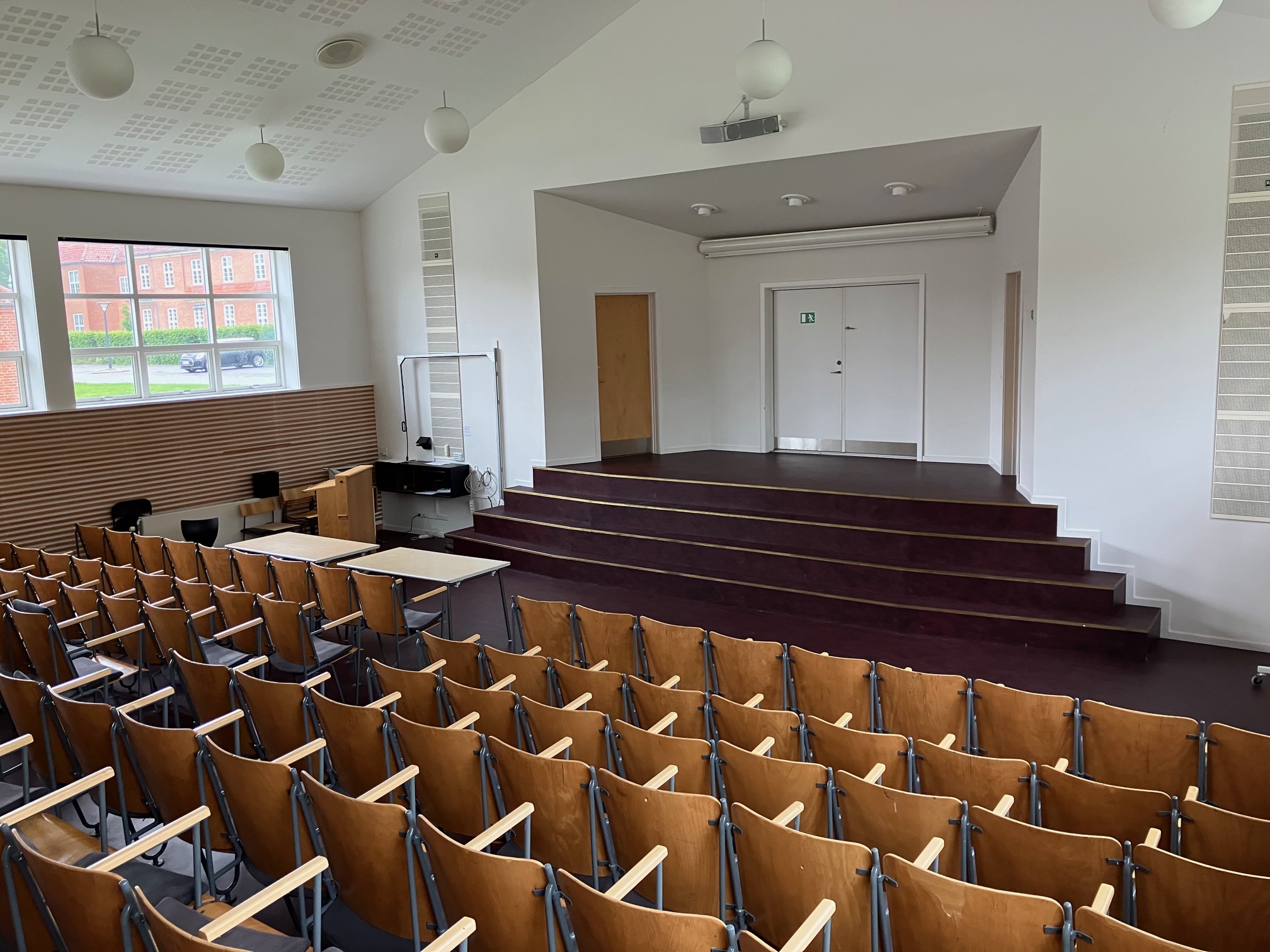
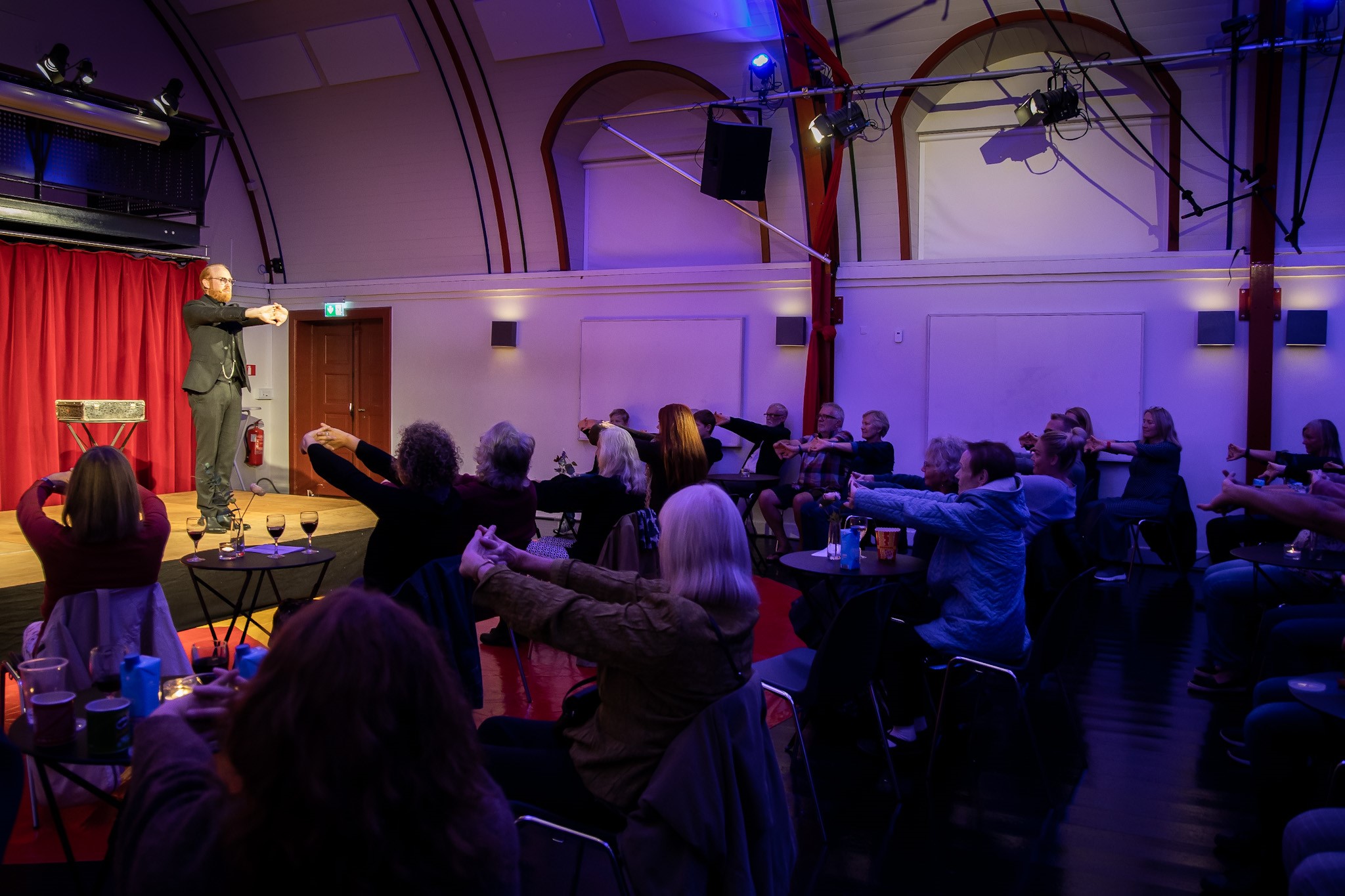
On Friday and Saturday, the conference will be held at the Circus Museum (photos below) in Hvidovre, a suburb of Copenhagen. The museum site includes a 120 seat conference auditorium and the historic Fægtesalen (fencing hall) where we shall dine on Friday evening and where selected performances may take place.
The conference auditorium, circus museum and the Fægtesalen are wheelchair accessible and equipped with accessible toilets. Please note that not all parts of the Thursday tour will be accessible due to stairs; the organisers will liaise with participants to determine the best available options.
Details of ticket prices, when and how to buy them, and recommendations on accommodation are planned to be announced in September or October 2026.
CALL FOR PAPERS
We invite proposals exploring the theme ‘How has circus related to change?’. Contributions may examine the ways in which the circus has initiated change, responded to it, or resisted it. The focus is on change relating to Europe from the 18th to the 21st century, though the change(s) can also be inwards or outwards of the continent. Given that the conference is hosted in Denmark, proposals with a Nordic focus are especially encouraged.
We are interested in any aspect of change, including but not limited to political, cultural, social, geographic, technological, legislative, aesthetic and familial transformations.
Examples of Relevant Areas include:
Social, Cultural and Political Change
- war, conflict, and displacement
- gender roles, especially women’s labor and visibility
- changing notions of body, skill, and risk
- Personal change across circus performers’ lives
- the role and regulation of animal acts in the circus
Changes affecting the operation of circus companies
- Mobility, labour regulation, and access to artists
- Public opinion, advocacy and legislation.
- Health, safety and licensing requirements.
- Transport developments
- Competing live and recorded entertainment
- The cultural and artistic status of circus
Performance Techniques, Styles and Aesthetic Practices
- Musical and choreographic developments and their influence on circus acts
- Technological innovation in circus performance and staging
- Political and activist uses of circus performance
- Costume design, fashion, and material culture
- Gymnastic and fitness movements and their effects on performance practice and reception
Presentation Format
We welcome proposals for:
- Twenty- or six-minute papers. Shorter presentations (optionally in PechaKucha format) may focus on a single performer or innovation, while longer whilst longer papers should adopt a broader analytical approach.
- Panel sessions of approximately 40 minutes, involving three or four participants. Proposals should include both the panel topic and the names of participants.
- Performance presentations which may be accommodated in the Fægtesalen (fencing hall), subject to technical feasibility. Please enquire for further details.
Submissions and Publication
Submissions should include:
- An abstract of up to 300 words
- A short biography of up to 200 words
Please send proposals to info@circusconference.org by September 30, 2026.
We aim to respond to all submissions within one month, with final decisions made shortly after the deadline.
Standard audio-visual equipment for PowerPoint presentations will be available. Presentations must be submitted no later than one week prior to the conference. Please indicate any additional technical requirements.
Abstracts will be published online. A peer‑reviewed journal issue is planned, featuring edited versions of selected papers presented at the conference. Further details will be announced in due course.
Practical Information
All presentations are expected to be delivered in person. Speakers will receive free conference admission. Travel bursaries may be available, subject to funding.
The conference is not expected to be live‑streamed, although recordings will be made for archival purposes.
Acknowledgements
The European Circus History Conference is deeply grateful to Mikkel Knudsen, Museum Director, and his team for their generous offer to host the Second European Circus History Conference at the Copenhagen Circus Museum.
European Circus History Conference Committee
The members of the 2027 Conference committee, ordered by surname, are:
Kornélia Deres (Hungary), an associate professor at ELTE Eötvös Loránd University of Budapest, has published widely on theatre, performance, and cultural practices. Her current research focuses on nineteenth-century popular performance culture and scientific spectacles in Central and Eastern Europe. She has authored two monographs and co-edited six volumes. She is also a poet and writer, having published four books.
Lina B. Frank (Sweden), a producer, programmer/curator and arts consultant based in Europe with offices in Lund/Malmö, SE and Bristol, UK.
Charlie Holland (UK), Initiator of the European Circus History Conference. A former professional juggler who was instrumental in the development of The Circus Space, latterly National Centre for Circus Arts, as its Programme Director and Deputy Chief Executive. His books include ‘Strange Feats and Clever Turns’ on speciality acts in the 19th century. He is the Secretary of the British Music Hall Society and initiated and co-organised their first conference in 2023 and subsequent ones. His latest project is Thrown Together, London’s Juggling and Flow Arts Festival, to take place in October 2026.
Mikkel Knudsen (Denmark), Director of The Circus Museum in Hvidovre (a suburb of Copenhagen). Mikkel has a History MA and has worked at the museum since 2004. He has produced several exhibitions with topics including Circus Culture, the World of Magic, and Animals in the Circus. He has written many articles about circus and is often used as an expert by the media.
Harm van der Laan (The Netherlands), an artist and co-artistic director of both Tall Tales Company and the Tall Tales Studio, which has grown to become the main space for training and ongoing education of the professional circus community in The Netherlands. Harm has BA and BSc degrees, teaches circus history at Codarts Rotterdam, and is co-author of the book ‘Turning the cube: Perspectives on codes through juggling and visual arts’.
Pauliina Räsänen (Finland), a circus and magic artist and cultural historian (MA) from Finland is a graduate of the renowned National Circus School of Montreal. Her performance background includes touring with Cirque du Soleil’s Alegria as a solo trapeze artist for six years. She is currently pursuing her PhD in Cultural History at the University of Turku, researching the forgotten history of women in circus and magic, and is CEO of ArtTeatro Ltd, a Finland based circus and magic arts production company.